








Online Digital Transformation Conference & SEO Strategy 2026
The Context for Online Conferences in the Digital Era
As technology becomes the core foundation of business operations, digital transformation is no longer an option but a mandatory condition. From internal management, marketing, to customer experience – every activity is closely linked to the digital environment.
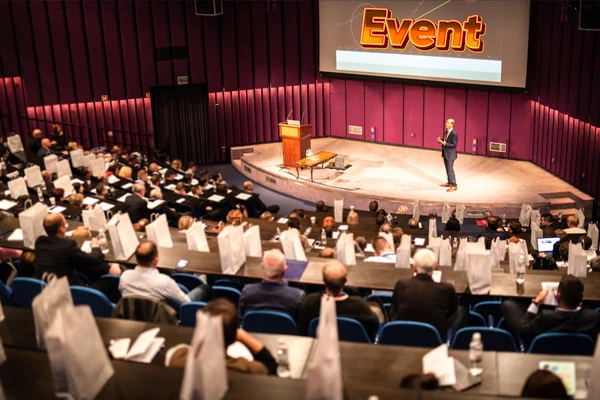
In this context, online conferences are not merely substitutes for traditional events but have become a crucial part of development strategies. They are how businesses convey direction, spread ideas, and connect the entire ecosystem quickly and cohesively.
What is a Digital Transformation Online Conference?
A digital transformation online conference is an event organized on a digital platform, aimed at sharing strategies, technologies, and solutions to help businesses adapt and thrive in the digital environment.
The key difference lies not in the tools used, but in the approach to content creation and experience design. An effective conference requires:
Clear objectives
Logical and in-depth agenda
Professional visuals
Post-event measurability
Therefore, to achieve true effectiveness, conferences must be meticulously planned and executed with the support of a professional event organizer.
Why Are Online Conferences Becoming a Strategic Trend in 2026?
Digital transformation is a journey of comprehensive change from mindset to operations. For this process to be effective, businesses need a strong communication "touchpoint" to unify understanding.
Online conferences meet this need through:
Simultaneous reach: conveying messages to multiple audiences at once
Optimized cost & operations: minimizing geographical and logistical barriers
Flexible scalability: reaching hundreds to thousands of attendees
Data-driven journey: from registration to engagement and feedback
Thus, businesses not only organize events but also gather valuable data for their long-term strategies.
Distinguishing Online Conferences from Webinars and Livestreams
Many businesses still confuse these formats:
Livestream: Primarily for quick broadcasts, short content, often for sales or announcements.
Webinar: Focuses on a specific topic, medium scale, with a training nature.
Online Conference: Strategic in nature, featuring multiple content sessions, with high demands on experience and visuals.
These distinctions necessitate a well-planned investment in online conferences, rather than a simplistic approach.
Common Online Conference Models
Depending on the objectives, businesses can implement various conference formats:
Internal Enterprise: Training, strategic direction, new system implementation.
Customers & Partners: Solution introduction, trust building.
Industry or Community Level: Trend sharing, ecosystem connection.
Each model requires a distinct approach to content development and operation for maximum effectiveness.
Limitations When Businesses Organize Themselves
Many businesses treat online conferences as an "expanded online meeting," leading to:
Lack of structured content
Suboptimal duration
Poor audio and visual experience
Inability to measure post-event effectiveness
This not only reduces communication effectiveness but also impacts brand image.
The Role of Professional Event Organizers
A professional organizer not only provides technical support but also plays a crucial role in:
Strategic content consultation
Designing the attendee experience
Managing the entire event journey
Optimizing communication and data effectiveness
This is what makes online conferences truly effective tools in digital transformation strategies.
Mimadigi's Approach to Online Conferences
Mimadigi views online conferences as an integral part of the overall digital ecosystem. Instead of being isolated events, all activities are tightly integrated with:
- Website
- Content systems
- Communication channels
- Marketing data
As a result, the conference transcends a single event, becoming a leverage for long-term development strategies, helping businesses adapt quickly and grow sustainably in 2026 and beyond.
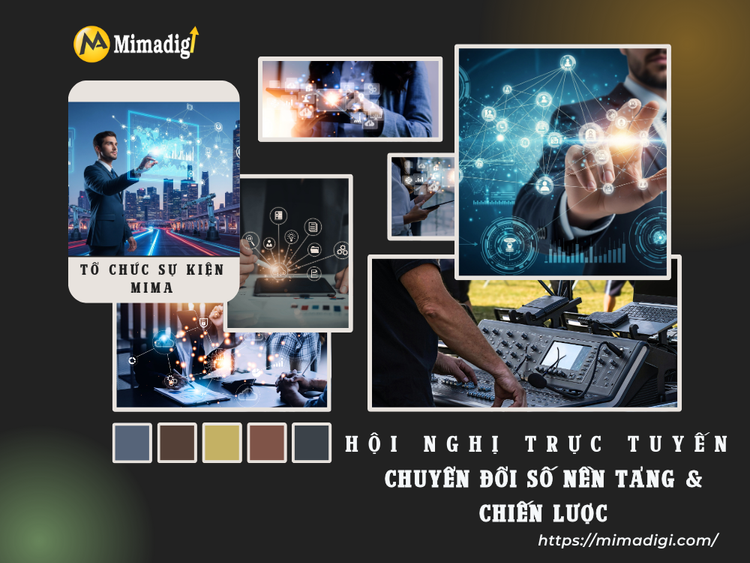
THE ROLE OF PROFESSIONAL EVENT ORGANIZERS IN DIGITAL TRANSFORMATION ONLINE CONFERENCES
Online Conferences Are No Longer Just "Expanded Online Meetings"
After the boom in online meeting platforms, many businesses realize a crucial fact: simply holding an online event doesn't equate to digital transformation. Online conferences lacking strategy, experience, and proper execution will quickly become exhausting, lengthy meetings that waste resources.
In this landscape, the role of professional event organizers becomes decisive. They are not just technical support providers but value creators, ensuring online conferences truly become effective communication, training, and connection tools for businesses.
Who is a Professional Event Organizer in the Digital Transformation Ecosystem?
A professional event organizer in the digital era goes beyond setting up stages, arranging hosts, or coordinating programs. They are the entity that:
- Understands the business objectives and digital transformation strategy of the company.
- Knows how to translate strategy into accessible event content.
- Designs digital experiences aligned with attendee behavior.
- Operates stable, secure technology systems with backup plans.
- Measures and analyzes data to optimize post-event effectiveness.
It is this combination of strategic thinking, creative capability, and technological operational expertise that differentiates between simply "holding an event" and truly organizing a digital transformation online conference.
Core Value Delivered by Professional Event Organizers
Translating Strategy into Accessible Experiences
One of the major challenges of digital transformation is that the content is often technical, dry, and difficult to grasp. Professional event organizers act as "strategy translators," transforming complex concepts into:
- Coherent narratives
- Content with key highlights
- Easily followable and memorable experiences
This allows online conferences not only to convey information but also to foster consensus and inspire change.
Designing Digital Experiences, Not Just Content Delivery
- Experience is the lifeline of online conferences. When attendees are simply in front of a screen, every detail directly impacts their perception: visuals, audio, program pacing, interaction methods.
- Professional event organizers design a seamless experience journey, from attendee registration, participation, interaction to the event's conclusion. Every touchpoint is carefully calculated to maintain focus and enhance perceived value.
Controlling Technical Risks and Brand Image
Online conferences rely heavily on technology. Even a minor issue with connectivity, audio, or video can disrupt the entire experience and damage brand reputation.
The role of a reputable event organizer is evident in their ability to:
- Prepare backup systems
- Conduct multiple technical checks
- Manage the technical team in real-time
- Resolve issues quickly, minimizing disruptions
This allows businesses to focus confidently on the content and digital transformation message.
Comparing Real-World Approaches to Online Conference Organization
When Businesses Organize Themselves
- Businesses often manage the platform themselves, develop content, and assign internal staff for operations. The advantage is initial cost savings, but the drawbacks include a lack of experience, poor risk control, and difficulty in measuring overall effectiveness.
- Conferences typically stop at information delivery, failing to create brand value or long-term data.
When Hiring Event Organizers Lacking Digital Expertise
- Some organizers with traditional event experience haven't fully adapted to the digital environment. The result is a polished appearance but a disjointed digital experience, suboptimal platforms, and a lack of post-event data analysis capabilities.
When Partnering with Professional Event Organizers with a Digital Transformation Focus
- This model yields the highest effectiveness. Conferences are designed from a strategic perspective, operated on suitable technology platforms, and closely aligned with the company's digital transformation goals.
- The event doesn't end when the livestream closes; it continues to generate value through data, repurposed content, and subsequent communication efforts.
The Role of Professional Event Organizers in Each Conference Phase
Pre-Conference Phase
- During the preparation phase, professional event organizers act as strategic consultants. They work with the company to define objectives, target audiences, key messages, and develop concepts aligned with digital transformation direction.
- Furthermore, foundational elements such as technology platforms, content scripts, visual design, and communication plans are standardized from the outset.
During the Conference Phase
- Throughout the event, professional event organizers are the "operating brain." From coordinating hosts and speakers, managing technical aspects, to assisting attendees, all activities are continuously monitored to ensure a smooth and consistent experience.
Post-Conference Phase
- After the conference concludes, the real value begins. Data is collected, analyzed, and reported. Content is repurposed for websites, communications, internal training, or subsequent marketing campaigns.
- This is the key differentiator between traditional conference organization and digital transformation online conferences.
MIMADIGI and the Role of Event Organization in the Digital Era
- MIMADIGI positions itself as an event organizer integrated with digital transformation and overall marketing strategies. MIMADIGI does not approach online conferences as standalone products but as a crucial link within a company's digital ecosystem.
- As seen in PART 2, MIMADIGI's role extends beyond professional event organization to include connecting events with websites, content, data, and multi-channel communication – creating sustainable value after each conference.
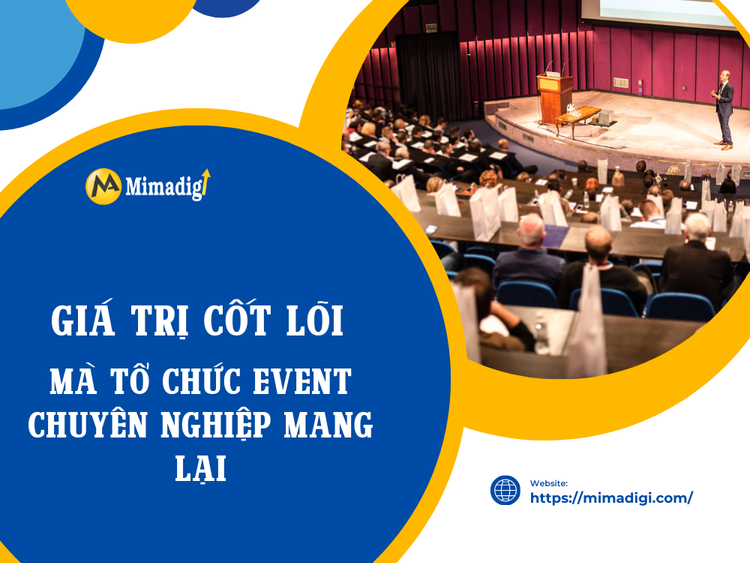
A-Z PROCESS FOR ORGANIZING DIGITAL TRANSFORMATION ONLINE CONFERENCES (SEO 2026)
Process Thinking Determines 80% of Online Conference Success
A digital transformation online conference cannot succeed based solely on meeting platforms or a few technical rehearsals. The true value of the event lies in a synchronized organizational process where strategy, content, technology, and attendee experience are interconnected.
A standard process helps businesses:
- Proactively manage risks
- Align digital transformation messaging
- Optimize costs and resources
- Measure post-event effectiveness
This is also why major conference programs require professional event organizers and reputable event organizing units to ensure each step is meticulously implemented.
Phase: Defining Objectives and Strategic Direction
Every digital transformation online conference must start with the core question: What is the purpose of organizing this event?
If this question isn't answered, all subsequent steps are prone to becoming unfocused and superficial.
During this phase, the organizing committee needs to clarify:
- The main objectives of the conference (training, communication, launch, networking)
- The key target audience
- The core digital transformation message
- Key performance indicators (KPIs) for success measurement
A professional event organizer will act as a consultant, helping the business translate business goals into clear, measurable event objectives.
Analyzing Target Audience and Digital Behavior
Unlike in-person conferences, online attendees tend to:
- Lose focus easily
- Leave if the content is irrelevant
Value Personal Experience Highly
Therefore, analyzing the target audience is a mandatory step. Businesses need to understand:
- Who they are, where they come from.
- What interests them in digital transformation.
- Their potential for interaction.
From this understanding, the content and delivery method of the conference can truly "connect" with and retain attendees until the end.
Developing the Online Conference Concept and Message
The concept is the "soul" of a digital transformation online conference. It's not just a name or a visual; it's the overarching narrative that connects all content.
A good concept needs to:
- Accurately reflect the company's digital transformation vision.
- Be easily understood by attendees.
- Be scalable for pre- and post-event communication.
At this stage, professional event organizers will support businesses in shaping the concept, defining the core message, and systematizing it into a clear content script.
Designing Content Scripts Based on Attendee Experience
Online conferences should not be structured with a "speaker talks, attendee listens" mindset. Instead, content needs to be designed around the attendee's journey.
An effective script typically includes:
- An opening that sets the context and engages.
- Content sessions with clear pacing.
- Interactive segments to maintain focus.
- A closing that directs action.
Breaking down content, varying presentation formats, and controlling timing are critical for online conferences.
Selecting the Appropriate Technology Platform
There is no single "best platform for every conference." The choice depends on:
- Number of attendees
- Desired level of interaction
- Security requirements
- Data integration capabilities
A reputable event organizer will advise on the most suitable platform and prepare backup solutions to ensure the conference runs smoothly under all circumstances.
Preparing Technical Infrastructure and Rehearsals
This is a step many businesses overlook, yet it directly impacts the attendee experience. Technical infrastructure includes:
- Internet connectivity
- Audio and visual equipment
- Recording and broadcasting equipment
- Attendee management system
Technical rehearsals help identify potential risks early and adjust the script according to actual conditions.
Producing Visual Content and Digital Assets
Digital transformation online conferences require visual investment commensurate with their message. Visual content includes not only presentation slides but also:
- Introductory videos
- Thematic visuals
- Platform interfaces
- Downloadable materials
Visual consistency enhances brand recognition and creates a professional feel throughout the program.
Operation and Coordination During the Conference
During the conference, all activities must be coordinated according to the established script. The role of professional event organizers at this time is to:
- Coordinate hosts and speakers.
- Manage technical aspects in real-time.
- Provide attendee support.
- Quickly handle emerging situations.
A successful online conference is one where attendees are unaware of the operational team's presence because everything runs smoothly and seamlessly.
Data Collection and Post-Conference Evaluation
An online conference doesn't end when the livestream is turned off. The post-event phase is when the value of data is truly leveraged.
Businesses need to:
- Compile attendance data.
- Analyze engagement levels.
- Collect attendee feedback.
- Assess achievement of objectives.
This data serves as the basis for optimizing future programs and refining digital transformation strategies.
Repurposing Content and Expanding Event Value
A meticulously organized online conference can generate numerous digital assets:
- Internal training videos
- Website content, blog posts
- Communication materials
- Digital transformation case studies
This is the significant advantage when a conference is organized with a long-term vision, rather than being a one-off event.
MIMADIGI as a Full-Service Online Conference Organizer
MIMADIGI implements digital transformation online conferences based on an A-Z process, tightly connecting strategy, content, technology, and data. MIMADIGI doesn't just organize events; they partner with businesses to optimize post-conference value.
Thanks to their ecosystem-based approach, events managed by MIMADIGI always ensure consistency, effectiveness, and scalability for subsequent marketing and digital transformation activities.
Case Study: Simulated Digital Transformation Online Conference for Mid-Sized Businesses
Background & Challenges
A manufacturing and distribution company is undergoing restructuring and aims for synchronized digital transformation across management, sales, and communication. The company's biggest challenge is the uneven understanding among departments and partners, leading to slow and uncoordinated implementation.
The company decided to organize a digital transformation online conference with the goals of:
- Unifying the mindset of leadership and key personnel.
- Communicating the 3-year digital transformation roadmap.
- Connecting with supply chain partners.
Implementation Solution
The conference was designed with a strategic mindset, not just a presentation session. Content was divided into short, guided segments with interaction and clear action orientation. Attendee experience was personalized through registration, surveys, and session-specific Q&A.
As professional event organizers and a reputable event organizing unit, the implementation team focused on three pillars: accessible content, stable operations, and clear data measurement.
Results Achieved
- Attendance rate exceeded 85% of registered participants.
- Average viewing time was higher than previous webinars.
- A significant increase in questions and positive feedback.
- Conference content was repurposed for internal training and communication.
More importantly, the company built internal consensus, paving the way for subsequent digital transformation steps.
Case Study: Simulated Online Conference for Agencies and Associations
Background
An industry association needed to disseminate policies and digital transformation direction to hundreds of member businesses nationwide. Organizing in-person conferences posed challenges in terms of cost and time.
Solution
The online conference was organized in a multi-point model, featuring discussion sessions, experience sharing, and policy Q&A. The experience was designed to be simple and accessible to various audience groups.
Value Delivered
- Broad reach, geographically unrestricted.
- Consistent content, avoiding information discrepancies.
- Attendance data helped the association understand member needs.
Key Takeaways from Case Studies
From these simulations, it's evident that digital transformation online conferences achieve their full potential only when:
- They have clear strategic objectives.
- Content is designed for experience.
- Technical operations are stable.
- Data is leveraged post-event.
These are the core elements that professional event organizers bring to businesses and organizations.
Comprehensive Digital Transformation Online Conference Solution from MIMADIGI
MIMADIGI builds online conference solutions with an ecosystem-based approach, where events are not isolated but tightly connected with websites, content, and digital communication.
MIMADIGI's Differentiating Approach
- Starts with business and communication objectives.
- Designs concepts and content tailored to specific audiences.
- Selects optimal technology platforms with backup plans.
- Standardizes visuals, scripts, and attendee experience.
- Analyzes data and provides post-conference strategic advice.
As a result, online conferences are not only successful at the time of the event but also continue to create long-term value.
Frequently Asked Questions about Digital Transformation Online Conferences
Are online conferences suitable for small businesses?
Yes, if designed according to specific goals and scale. This format helps small businesses optimize costs while ensuring effective communication.
Is significant technology investment required?
Not necessarily. The key is to choose the right platform and have a stable operational plan.
How can we prevent attendees from leaving mid-session?
Concise content, interactive elements, and appropriate pacing are crucial factors.
Can the effectiveness of online conferences be measured?
Yes. Attendance data, engagement metrics, and feedback help accurately assess the success level.
What should be done after the conference to leverage the content?
Content can be repurposed for training, websites, communications, and subsequent marketing campaigns.
Digital Transformation Online Conference Checklist
Before the Conference
- Define objectives and target audience.
- Develop concept and content script.
- Select appropriate technology platform.
- Prepare visuals, materials, and videos.
- Conduct technical and content rehearsals.
During the Conference
- Coordinate the program according to the script.
- Manage technical aspects and provide attendee support.
- Monitor interaction and adjust pacing.
After the Conference
- Compile and analyze data.
- Collect attendee feedback.
- Repurpose content for communication and training.
- Evaluate effectiveness against initial objectives.
Online Conferences: A Lever for Sustainable Digital Transformation
A digital transformation online conference is more than just an event; it is a strategic lever that helps businesses and organizations change their mindset, connect their ecosystems, and optimize operations in the digital era. When organized by professional event organizers and reputable event units, online conferences become valuable long-term digital assets.
With extensive implementation experience, an ecosystem-centric mindset, and comprehensive digital capabilities, MIMADIGI is ready to partner with businesses throughout every stage of organizing online conferences, from the foundational aspects to post-event value optimization.
Contact Information for MIMADIGI
MIMA SERVICE TRADING COMPANY LIMITED (MIMADIGI)
- Address: 31/3B Ap Thoi Tu 1, Dong Thanh Commune, Ho Chi Minh City, Vietnam
- Hotline: 0909 035 333
- Email: info@mimadigi.com
- Website: https://mimadigi.com/








Share your review